

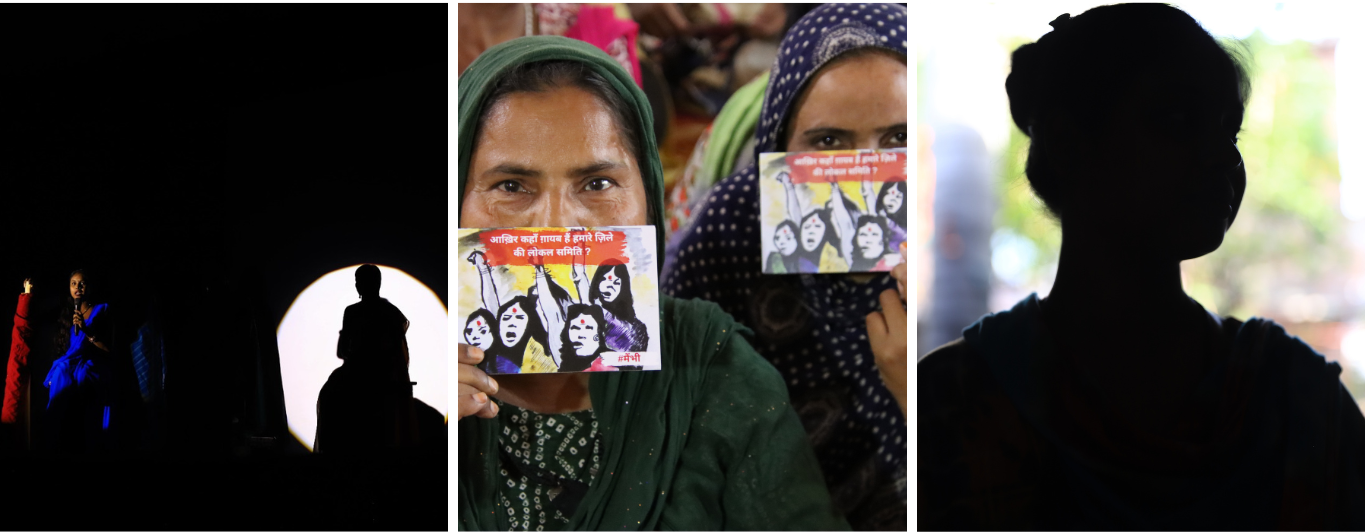
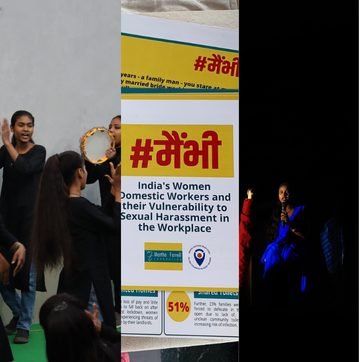
#MainBhi
Programme led with and by women informal workers to counter gender-based violence in their world of work

Programme led with and by women informal workers to counter gender-based violence in their world of work

For women like me, what is #MeToo? Poverty and stigma mean we can never speak out. There is no place safe for women like us.
- A domestic worker affiliated with the Martha Farrell Foundation quoted by Human Rights Watch
The right to a safe and harassment-free workplace is a fundamental right for all women, as affirmed by the Sexual Harassment of Women at Workplace (Prevention, Prohibition, and Redressal) Act, 2013 (SHW Act). Recognising that the majority of Indian women are employed in the informal sector, the Act explicitly includes informal workers, including domestic workers.
Women workers, especially informal workers, experience sexual and gender-based violence across all spheres of their lives – private, professional, and public. Economic instability, entrenched patriarchy, and the fear of backlash from families and communities often silence them, preventing them from speaking out, seeking justice, or taking action.
The Martha Farrell Foundation’s #MainBhi programme specifically focuses on addressing sexual and gender-based violence in the world of work for women informal workers. Given their specific challenges, the programme has been co-designed with informal worker partners and is implemented with and by them, ensuring it remains rooted in their lived experiences.
In 2021, we conducted a landmark study in partnership with women domestic workers, supported by the United Nations Trust Fund to End Violence Against Women. This became the largest ever participatory action research study in India on workplace sexual harassment experienced by domestic workers.
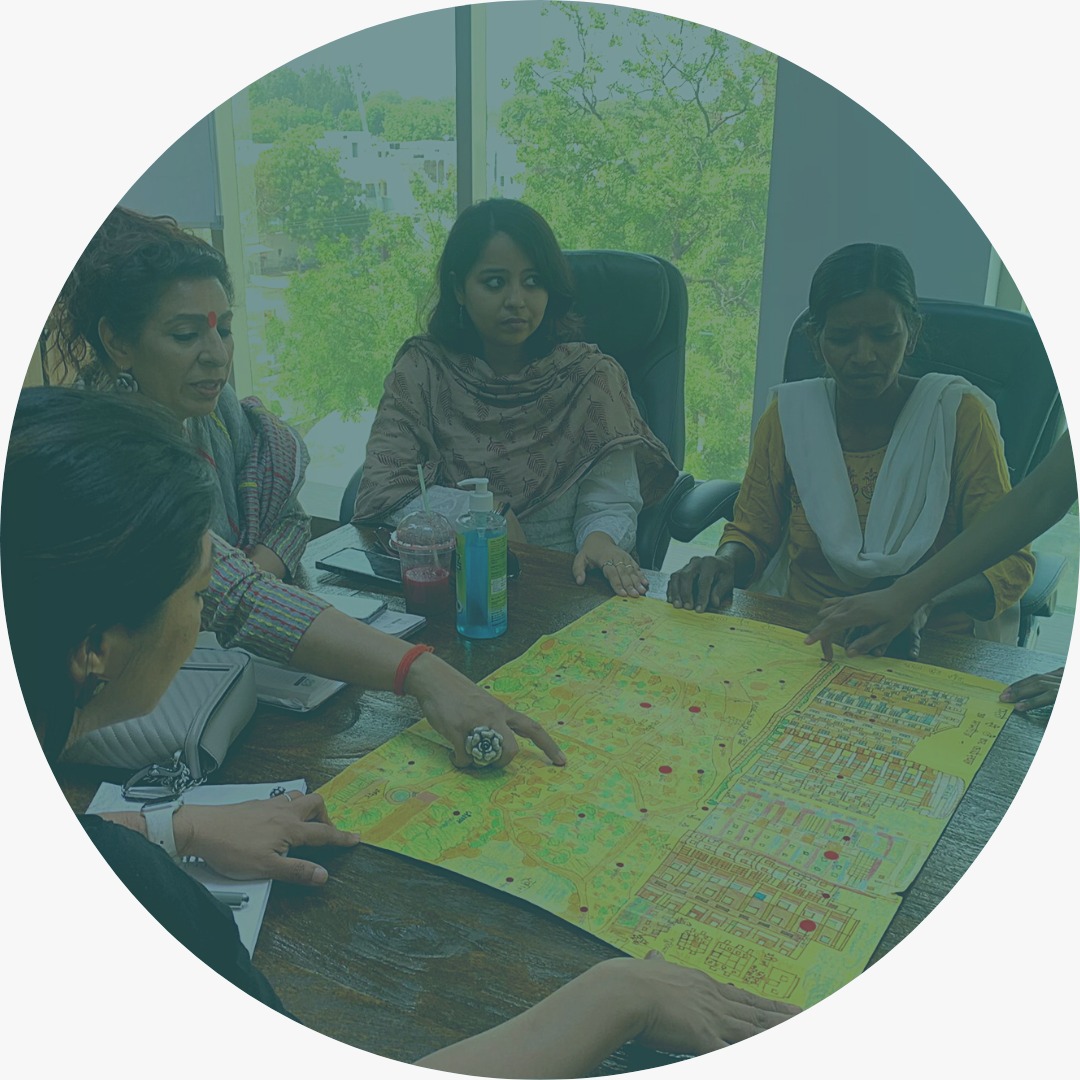
Making Institutions Accountable towards Women Domestic Workers: Effective Implementation of the Sexual Harassment at Workplace Act, 2013
Find out more
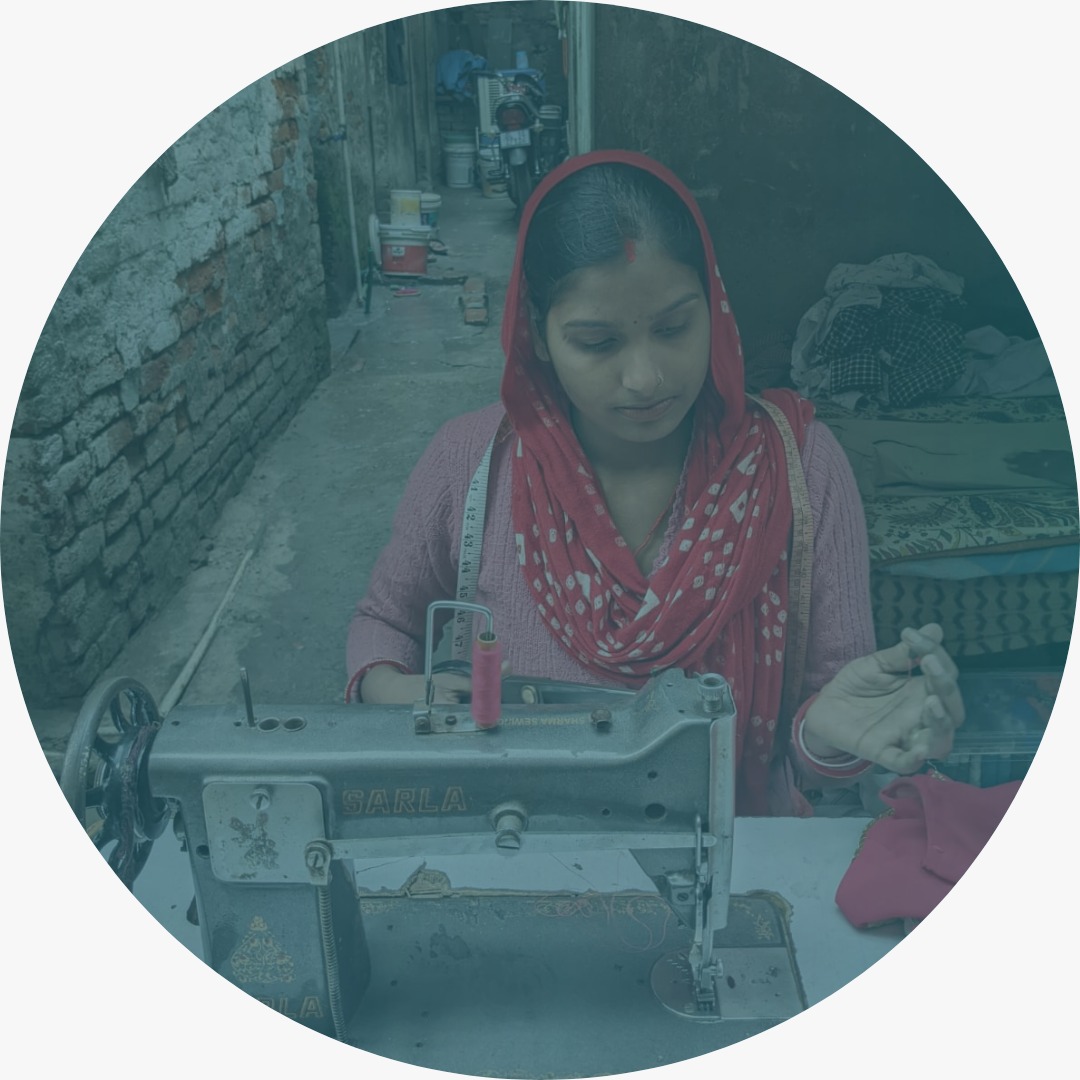
Empowering Women Domestic Workers to Reclaim Space, Voice and Agency
Find out more
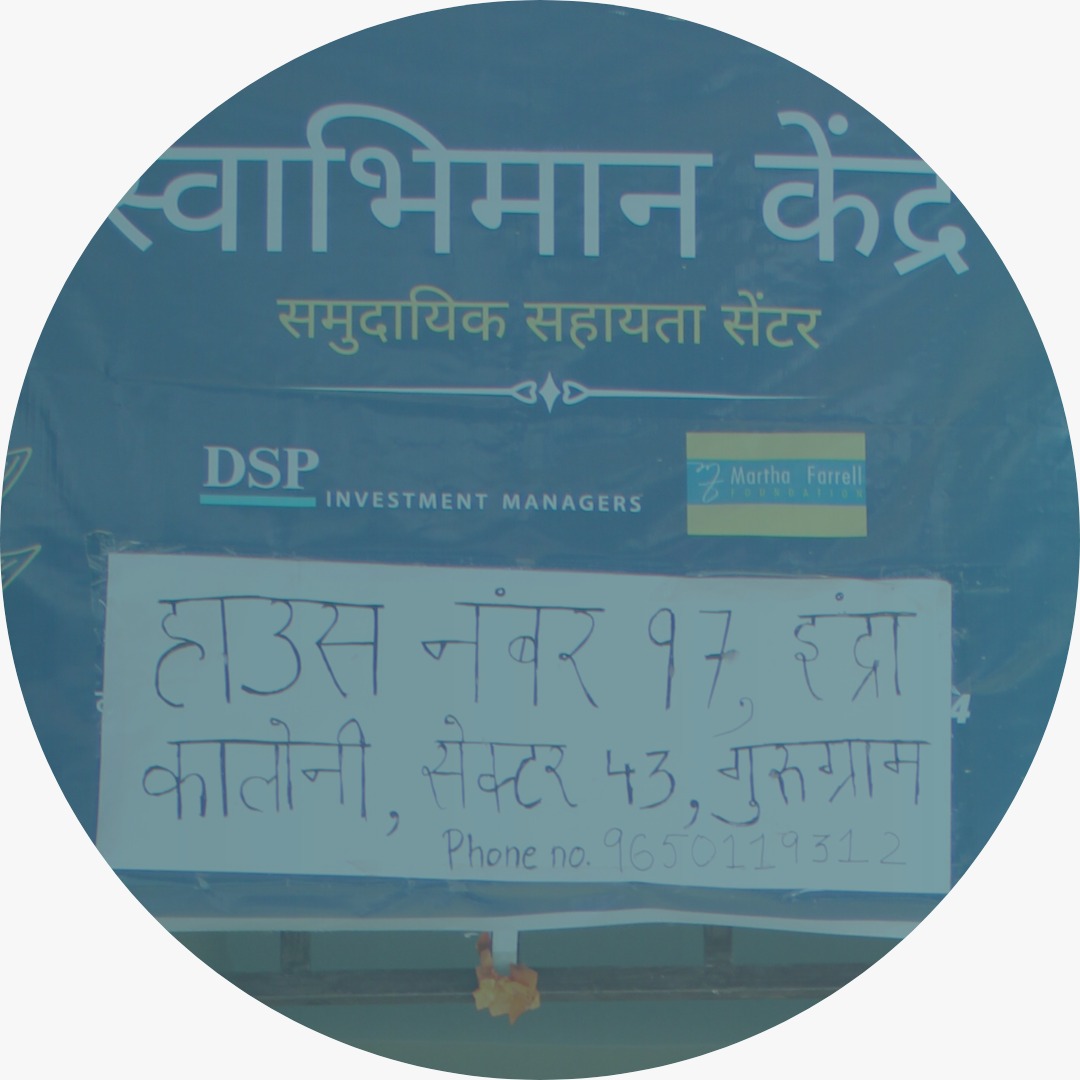
Community Support Center for Women Domestic Workers and their Adolescent Children
Find out more